Lumbrokinase is a group of proteolytic enzyme complexes extracted and isolated from artificially cultivated Eisenia fetida (commonly known as red earthworms). It is an acidic protein with fibrinolytic activity. As a third-generation thrombolytic drug raw material, it is widely used in the research, development, and production of antithrombotic preparations, cardiovascular and cerebrovascular disease therapeutics, and functional foods.
II. Source and Biological Characteristics
Source Species: Eisenia fetida (Red Wiggler worm), currently the standard biological raw material for the industrial production of lumbrokinase.
Molecular Composition: Lumbrokinase is not a single component but a complex containing various serine proteases. Its molecular weight varies slightly depending on the extraction process and components, with the main active proteins having a molecular weight distribution between 16,000 and 45,000 Daltons (Da). Common activity peaks are found around 24.7 – 26.3 kD and 32 – 33.5 kD.
Isoelectric Point: It is acidic, approximately 3 – 5.
Stability:
Thermal Stability: It is very stable below 60°C, with an optimal reaction temperature range below 50°C.
pH Stability: It exhibits high activity and stability in neutral to slightly alkaline environments (pH 7.0 – 9.0).
III. Core Functional Components and Mechanism of Action (Raw Material Efficacy)
As a raw material, its core value lies in its unique dual thrombolytic mechanism and multi-target effects:
Dual Thrombolytic Activity: Possesses both fibrinolytic enzyme (directly degrades the fibrin scaffold of thrombi) and plasminogen activator (activates the body's own thrombolytic system) functions.
Anticoagulation and Viscosity Reduction: Can reduce fibrinogen content, inhibit platelet aggregation, lower whole blood viscosity and plasma viscosity, thereby improving hemorheology.
Targeting: Has a special affinity for fibrin in thrombi, allowing it to selectively act on the thrombus site with minimal impact on the systemic coagulation system.
IV. Raw Material Specifications and Technical Indicators
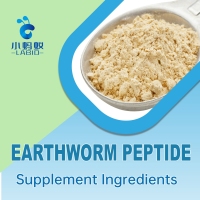
Appearance: Usually a light yellow to off-white lyophilized powder.
Enzyme Activity Definition: Determined using the fibrin plate method, with potency calculated by comparison with a standard reference.
Common Specifications:
Crude Enzyme Raw Material: Enzyme activity can reach 2.018 million U/g of lyophilized powder.
High-Purity Raw Material: After chromatographic purification, specific activity can reach 25,600 μ/mg protein (approximately 25.6 million units/g protein) or even higher.
Electrophoretically Pure Raw Material: Can achieve a single protein band (SDS-PAGE pure), suitable for injectable formulation development.
Parameter
Typical Specification
Remarks
Appearance
Light yellow to off-white powder
Color depth related to purity and drying method
Enzyme Activity
10,000 ~ 20,000 U/mg
Graded supply based on customer requirements
Protein Content
≥ 60% (on dry basis)
Kjeldahl method (N × 6.25)
Loss on Drying
≤ 8.0%
Controlled by freeze-drying process
Heavy Metals
≤ 10 ppm
Compliant with biomedical raw material standards
Storage Conditions
Sealed, cool and dry (≤ 20°C)
Long-term storage recommended at -20°C or 4°C
V. Preparation and Extraction Process
Industrial production typically follows the process route below to obtain highly active raw material powder:
Raw Material Pretreatment: Select fresh Eisenia fetida, clean and remove impurities, and prepare into a homogenate or dry powder.
Extraction: Use the buffer extraction method (e.g., Tris-HCl or phosphate buffer), which yields higher enzyme activity recovery compared to physiological saline or ethanol extraction methods.
Separation and Purification:
Crude Separation: Employ ethanol fractional precipitation or ammonium sulfate salting-out. The ethanol precipitation method is more advantageous for industrial production due to easier solvent recovery.
Fine Purification: Utilize membrane separation technology (ultrafiltration, e.g., 10–200 kD pore size) combined with chromatography techniques (e.g., DEAE-Sepharose anion exchange chromatography and Sephadex G-75 gel filtration chromatography) to remove contaminating proteins and obtain high-purity fractions.
Drying: Employ vacuum freeze-drying technology at low temperatures (heating temperature ≤ 50°C) to preserve maximum enzyme activity.
VI. Application Areas
Pharmaceutical Manufacturing: Used as an active pharmaceutical ingredient (API) in producing lumbrokinase enteric-coated capsules/tablets, primarily for treating ischemic stroke, coronary heart disease angina, and deep vein thrombosis of the lower extremities.
Biological Reagents: Used as a standard or positive control for studying thrombolytic mechanisms and fibrinolytic activity assays.
Functional Foods / Dietary Supplements: Used in developing health foods aimed at improving microcirculation and assisting in reducing blood viscosity.
VII. Quality and Control
Implementation Standards: References the relevant general chapters of the Chinese Pharmacopoeia and drug registration standards.
Safety: Purified lumbrokinase exhibits low immunogenicity and minimal toxicity.